

What to Do When Someone Dies on Long Island
What to Do Right Away
If a death was unexpected, call 911. If the person was under hospice care, call the hospice nurse instead. Once the death has been medically pronounced, contact a funeral home. The funeral home will arrange transportation, begin the death certificate, and guide you through the next steps.
Contact Moloney Family Funeral HomesWhy This Guide Matters
When someone dies, the hours that follow can feel disorienting. Even when the moment was expected, there is rarely a clear sense of what to do first, who to call, and what can simply wait.
This guide walks through what to do in the first 24 hours after a death on Long Island, along with the New York State requirements that apply along the way.
For families throughout Long Island, Moloney Family Funeral Homes is available around the clock to answer questions and help with these first steps.
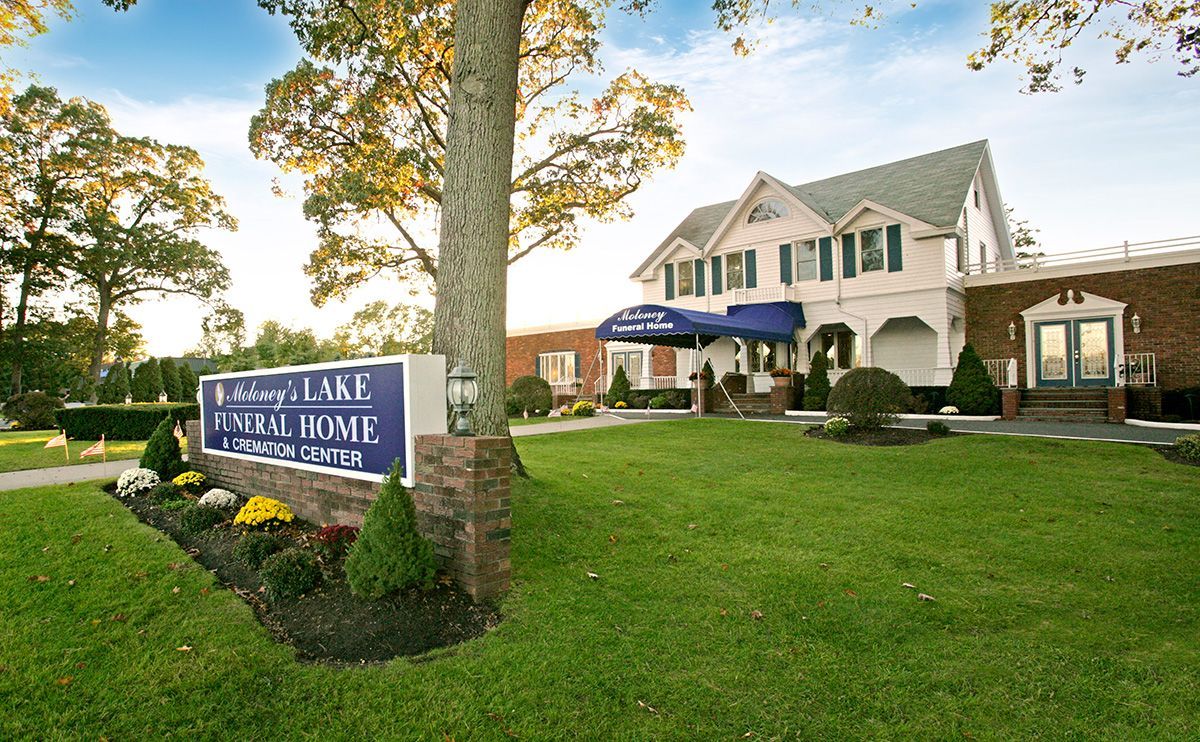
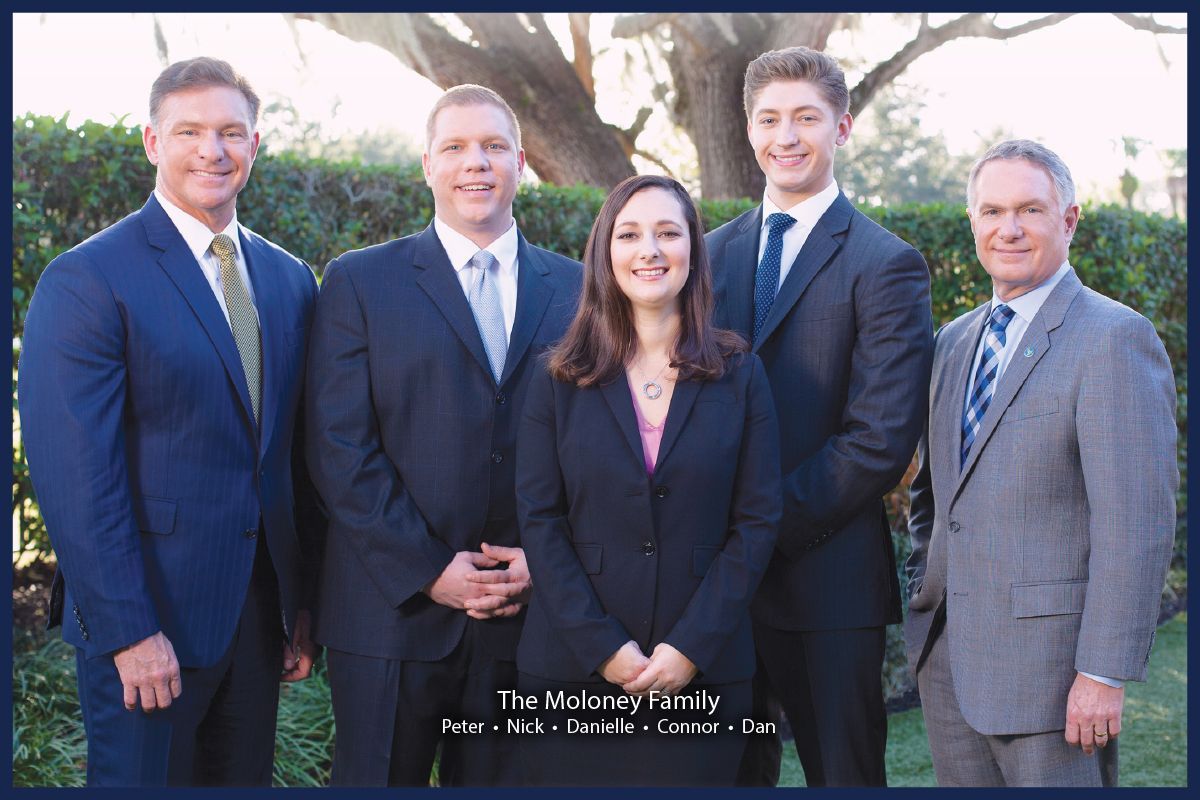
About Moloney Family Funeral Homes
What to Do at the Moment of Death
If the Death Occurs at Home
If the person was under hospice care, call the hospice nurse or agency first, not 911. Hospice staff are authorized to pronounce an expected death and will coordinate directly with the funeral home you've chosen. If the death was sudden or unexpected, call 911, since police and emergency responders will need to confirm what happened.
If the Death Occurs in a Hospital, Hospice Facility, or Nursing Home
Staff handle the medical pronouncement directly, so there is no need to call 911. The facility will typically ask whether the family has a preferred funeral home, or wait for the family to make that call.
Who to Call First
Depending on the situation, the first call looks a little different. Here is who to contact in each case.
| Situation | Who to Call |
|---|---|
| Unexpected death at home | 911, so emergency responders can confirm what happened |
| Expected death under hospice care | The hospice nurse or agency |
| Death in a hospital, hospice facility, or nursing home | Facility staff handle the pronouncement directly |
| Once the pronouncement is complete | A funeral home, reachable 24 hours a day |
First 24 Hours Checklist
Use this checklist to begin organizing the first day after a death. A funeral director can walk through each item with you in detail.
Immediate Steps
- ✓ Get a medical pronouncement of death
- ✓ Contact a funeral home
- ✓ Notify immediate family directly
- ✓ Arrange transportation into the funeral home's care
Information the Funeral Home Will Need
- ✓ Full legal name, date, and place of birth
- ✓ Social Security number
- ✓ Marital status and spouse's name, if applicable
- ✓ Next of kin contact information
- ✓ Whether pre-planning arrangements already exist
Documents to Locate
- ✓ Will or trust documents
- ✓ Life insurance policies
- ✓ Cemetery deed, if a plot was already purchased
- ✓ Social Security card and marriage certificate
- ✓ Safe deposit box key or location, if one exists
If the Person Was a Veteran
- ✓ Locate DD-214 discharge paperwork
- ✓ Ask the funeral home about military honors
- ✓ Ask about burial in a national cemetery
Death Certificates and How to Get Copies
In New York, a licensed funeral director completes the death certificate and files it with the local registrar in the district where the death occurred, within 72 hours and before burial or cremation. The attending physician, hospice provider, or medical examiner certifies the cause of death as part of this process.
For deaths on Long Island, outside New York City, certified copies are available through the local town or village registrar, or through the New York State Department of Health Vital Records office. Only a spouse, parent, child, sibling, or documented legal representative can request copies directly.
Many families request 10 or more certified copies to handle bank accounts, insurance claims, Social Security, and estate matters. The funeral home can typically order these for you at the time of death.
Notifying Social Security
Funeral homes often report a death to the Social Security Administration electronically as part of filing the death certificate. Even so, it's worth calling the SSA directly to confirm benefits have been stopped and to ask about survivor benefits or a one-time lump-sum death payment, since any benefit mistakenly paid after death typically has to be returned.
Who Has Legal Authority to Make Arrangements in New York
New York Public Health Law Section 4201 sets a legal order of priority for who has the right to make funeral and disposition decisions, unless the deceased named an agent in a written instrument. In descending order, that priority generally includes the following.
- A person named in a written instrument under Section 4201
- The surviving spouse
- The domestic partner
- A majority of the surviving adult children
- Either surviving parent
- A majority of the surviving adult siblings
- A court-appointed guardian
- Other next of kin, in a further legal order of priority
- The public administrator, as a last resort
This is general information, not legal advice. If a dispute arises over who has the right to decide, a funeral director can explain the documentation New York law requires, and an attorney can advise on next steps.
What Can Wait
Not everything needs to happen in the first 24 hours. These items can generally wait until the family has had time to breathe.
- Closing bank accounts or credit cards
- Canceling subscriptions and memberships
- Sorting or distributing personal belongings
- Finalizing estate or probate matters
- Ordering a permanent headstone or marker
- Writing thank-you notes for flowers or condolences
Why Long Island Families Turn to Moloney
Choosing a funeral home in the moment is a difficult decision to make quickly. Families often look for experience, compassion, and a team they can reach at any hour.
Moloney Family Funeral Homes has served Long Island families across Suffolk and Nassau counties for over 90 years, helping them navigate exactly these first hours with care.
Moloney provides resources and support for:
- Funeral Services
- Cremation Services
- Planning a Funeral on Long Island
- Funeral Pre-Planning
- Obituaries
You Don't Have to Navigate This Alone
Moloney Family Funeral Homes is available 24 hours a day to guide Long Island families through every step, starting with the very first phone call.
Contact Moloney Family Funeral HomesFrequently Asked Questions
What do I do first when someone dies at home?
If the death was unexpected, call 911 so emergency responders can confirm what happened. If the person was under hospice care, call the hospice nurse or agency instead of 911, since they are equipped to pronounce an expected death.
Do I call 911 if someone dies at home?
Call 911 if the death was sudden, unexpected, or unattended. If the person was enrolled in hospice care, call the hospice team first, since they can legally pronounce an expected death without police or EMS involvement.
What happens when someone dies in a hospital or nursing home?
Hospital, hospice, and nursing home staff handle the medical pronouncement and will typically ask whether the family has a preferred funeral home, or wait for the family to contact one directly.
Who is legally allowed to make funeral decisions in New York?
New York Public Health Law Section 4201 sets a legal order of priority, starting with a person named in a written instrument, then a spouse, domestic partner, adult children, a surviving parent, adult siblings, a court-appointed guardian, and other next of kin, in that order.
How soon do I need to call a funeral home?
There is no fixed deadline, but families typically contact a funeral home within a few hours of a death, once the medical pronouncement is complete. Funeral homes are generally reachable 24 hours a day for this call.
Who issues a death certificate in New York?
A funeral director completes and files the death certificate with the local registrar where the death occurred, within 72 hours and before burial or cremation. Outside New York City, certified copies are later available through the New York State Department of Health Vital Records office.
How many death certificate copies do I need?
Many families request 10 or more certified copies to handle bank accounts, insurance claims, Social Security, and estate matters. The funeral home can typically order these for you at the time of death.
Do I need to notify Social Security myself?
Funeral homes often report a death to the Social Security Administration, but it is still recommended that the family call the SSA directly to confirm benefits are stopped and to ask about survivor benefits.
What if the deceased was a veteran?
Locate the veteran's DD-214 discharge paperwork. Eligible veterans may qualify for military honors, a burial flag, a headstone or marker, and burial in a national cemetery through the U.S. Department of Veterans Affairs.
What can wait until after the funeral?
Closing accounts, canceling subscriptions, distributing personal belongings, finalizing estate matters, and ordering a headstone can typically wait until after the service, once the family has had time to grieve.
You Are Not Alone in This
The first hours after a death are rarely easy, and no family should have to figure out every step alone.
By knowing who to call first, what the funeral home will need, and what can wait, you give yourself room to focus on what matters most during this time.
Moloney Family Funeral Homes is honored to assist families throughout Long Island with compassionate guidance from the very first phone call through the service itself.
We're Here, Day or Night
Whatever time it is, whatever you're facing, Moloney Family Funeral Homes is available to help you take the next step.
Contact Moloney Family Funeral HomesMoloney Family Funeral Homes Blog